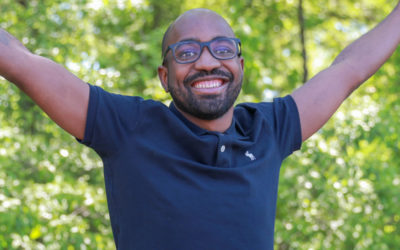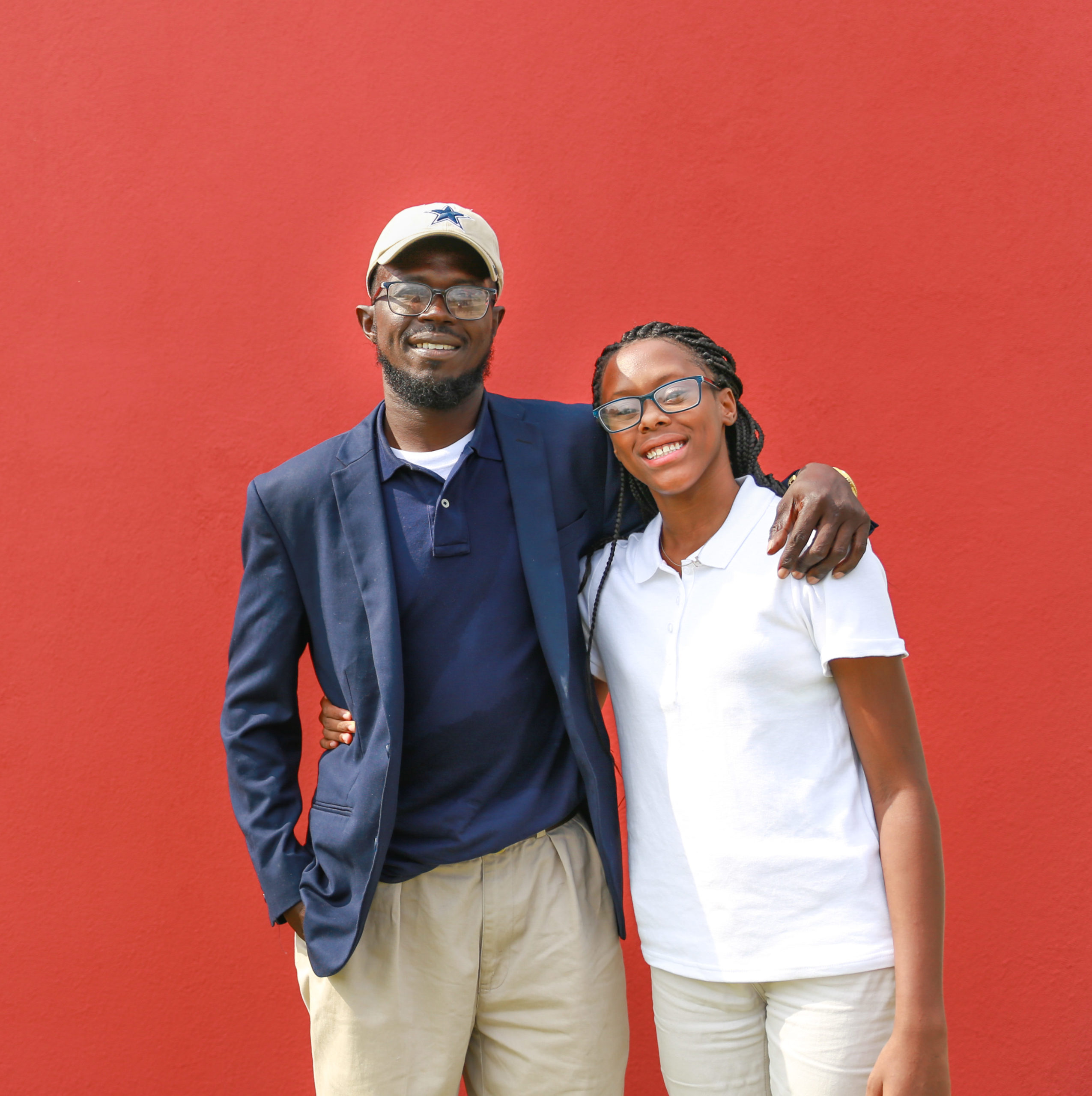
When Mario Hendricks was a child, he didn’t know he had sickle cell disease — but he noticed a difference between himself and his friends. “I had friends who played sports all the time, and I could never play,” he said. “I’d be stuck inside, looking out the window. I never really knew why.”
Then one day at school, Mario had an episode of severe pain that caused his knees and back to lock up. “I didn’t know what I was experiencing. I actually had to be carried out of the school and the ambulance was waiting to take me to the ER, and that’s when it came to light that I had sickle cell disease,” he said.
Mario explained that the effects of the disease are more than just its physical symptoms. “It’s a very debilitating disease, especially emotionally. Running and playing with your friends, to be told you couldn’t do that anymore… you just have to stay positive, that’s what I try to do every day.”
Over the years, Mario has learned to manage his sickle cell disease. He emphasized that, with treatment, sickle cell patients can live a typical life. “There’s no cure, but there’s always hope. I went to college, got married, I had kids. I live a normal life outside of activities that I can’t do on a personal level.” He has received numerous blood transfusions throughout his life to treat the symptoms of his sickle cell disease. “The blood that we receive is a lifesaver, a game changer. It’s almost like the Energizer bunny. It recharges you,” he said.
Mario says that the need for a diverse blood supply is especially important for sickle cell patients, who require special antigen-matched blood to avoid complications from transfusion. These matches are most likely to be found with a donor from a similar ethnic background. “I had an experience where my body rejected some blood,” he said. “That’s why we push so hard for African-Americans to donate blood, because this is a disease that predominantly affects African-Americans. Donate. Please. We need you.”